Vein Treatment: What You Should Know
Minimally invasive, walk-in walk-out procedures. No long hospital stays. Our vascular specialists choose the right treatment for your vein type and severity.
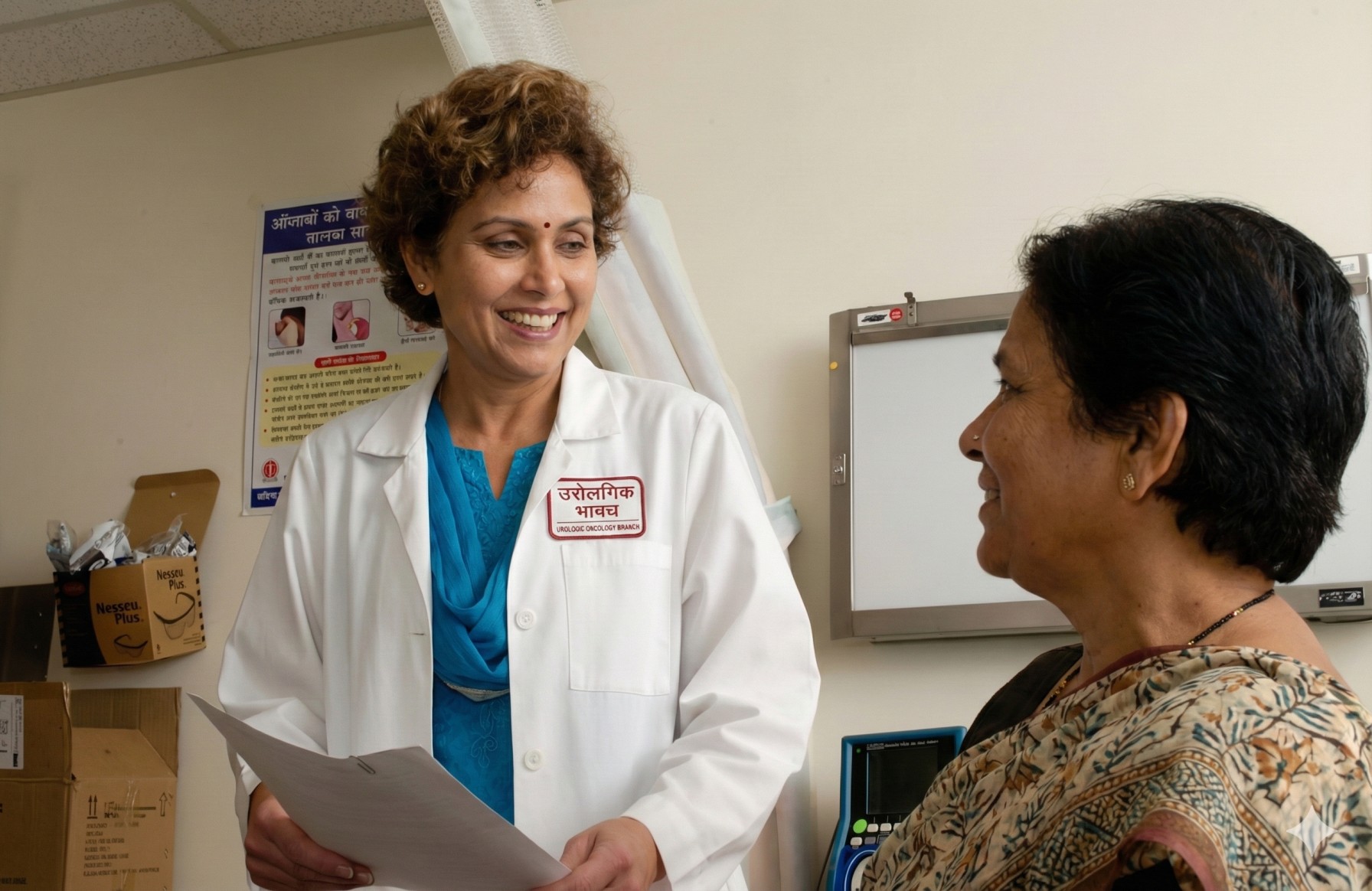
Step One
How is it diagnosed?
There is no single test. Your specialist builds the picture from four key steps.
Getting the right diagnosis
Getting the right picture
Varicose veins can look simple on the outside but involve deeper valve problems underneath. A proper diagnosis makes sure the right vein is treated — and nothing is missed.
Book your first appointmentStep 01 — Symptom history
We understand your symptoms, daily routine, and medical history
Step 02 — Physical examination
Your doctor examines your legs and checks the visible veins
Step 03 — Scans
A painless ultrasound scan checks blood flow in your veins
Step 04 — Treatment plan
We create a treatment plan based on your vein condition
Step Two
Personalised treatment
Three main approaches — most patients need just one, chosen after their scan.
 Conservative
Compression Therapy
The starting point. Medically graded stockings that reduce swelling and slow progression.
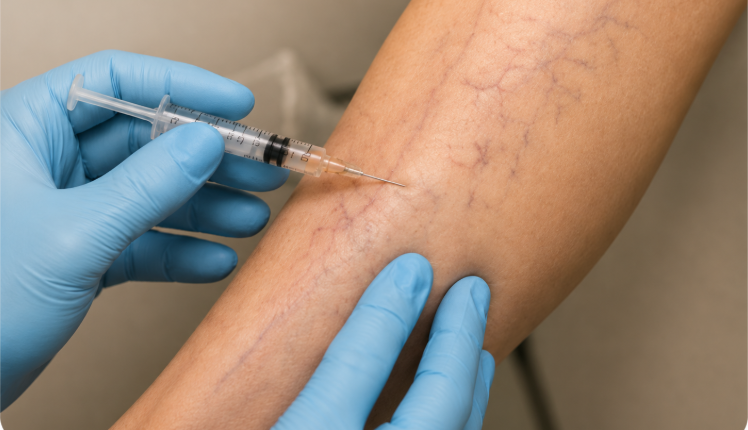 Injection
Injection Therapies
For spider veins and smaller varicose veins. Done in-clinic, no anaesthesia needed.
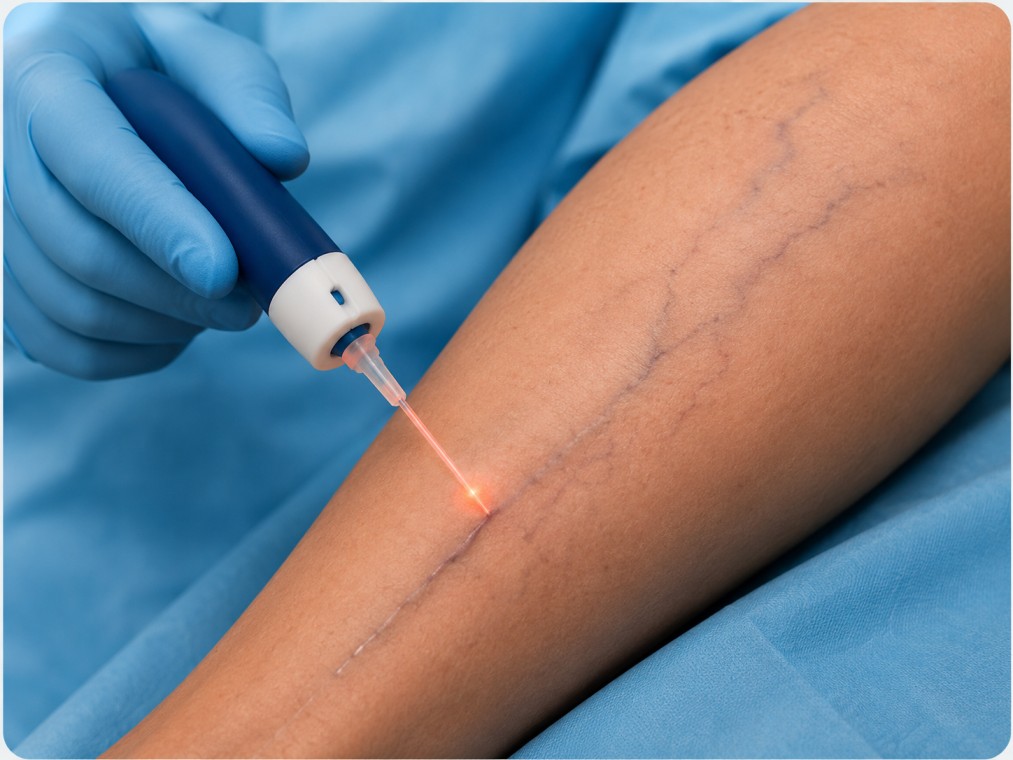 Advanced
Advanced Procedures
For larger varicose veins with significant reflux. Minimally invasive, under local anaesthesia.
Your treatment journey
"Knowing what came next made the whole thing far less daunting."
Most patients with varicose veins are treated and back to normal within a week. The steps below show what that journey looks like from start to finish.
1 hr
Average procedure time
1–2 days
Back to normal
Same day
Return home
6 weeks
Follow-up scan
Getting started with treatment
1.Your first appointment
2.Your duplex ultrasound scan
3.Your treatment session
4.Recovery and follow-up
5.Long-term care and prevention
Treatment by Condition
Find your condition
See what is typically recommended first — and what comes next if that is not enough.
Ready to start your treatment?
Most patients are seen within 1 to 2 weeks. Early treatment means faster recovery.