Radiofrequency Ablation (RFA)
A Proven, Minimally Invasive Treatment for Varicose Veins

What Is Radiofrequency Ablation (RFA)?
RFA is a non-surgical, ultrasound-guided procedure used to treat Varicose veins caused by venous reflux (backward blood flow).
Instead of removing the vein, RFA:
The treated vein is gradually absorbed by the body over time.
Who Is RFA Recommended For?
RFA may be recommended if you have:
A Doppler ultrasound evaluation helps determine whether RFA, EVLT, or another option is best for your specific condition.
How Does RFA Work? (Step-by-Step)
Ultrasound Mapping
The faulty vein is identified and mapped using Doppler ultrasound.
Local Anesthesia
The treatment area is numbed, you remain awake and comfortable.
Catheter Placement
A thin catheter is inserted into the vein through a tiny needle puncture.
Radiofrequency Energy Delivery
Controlled heat is applied along the vein wall, sealing it shut.
Blood Rerouting
Blood automatically flows through healthy veins.
Same-Day Discharge
You can walk immediately and go home the same day.
What Happens to the Closed Vein?
After RFA:
No important blood flow is lost — healthy veins take over naturally.
Benefits of Radiofrequency Ablation
RFA vs Traditional Vein Surgery
Radiofrequency Ablation
Traditional Surgery
Patient Guide & Frequently Asked Questions
Is RFA Painful?
Most patients report minimal discomfort.
Most people resume normal activities within 24–48 hours.
Recovery After RFA
After the procedure:
Most patients return to work quickly.
Is RFA Safe?
Yes. RFA is:
When performed by trained specialists, complications are rare.
Is RFA Painful?
Most patients report minimal discomfort.
Most people resume normal activities within 24–48 hours.
Recovery After RFA
After the procedure:
Most patients return to work quickly.
Is RFA Safe?
Yes. RFA is:
When performed by trained specialists, complications are rare.
Why Choose RFA Through Our Platform?
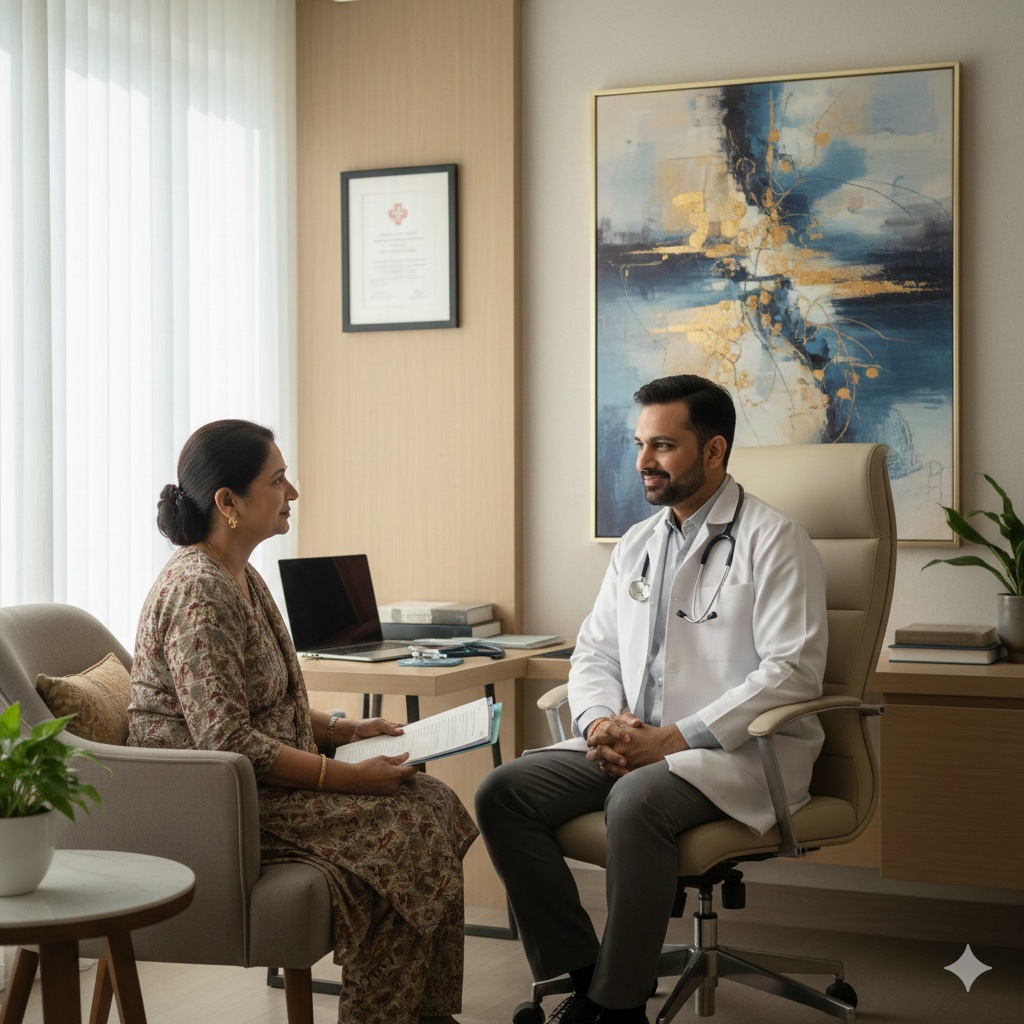
Take the Next Step Toward Healthier Legs
If Varicose veins are affecting your comfort or daily life, RFA offers a safe and effective solution — without surgery.